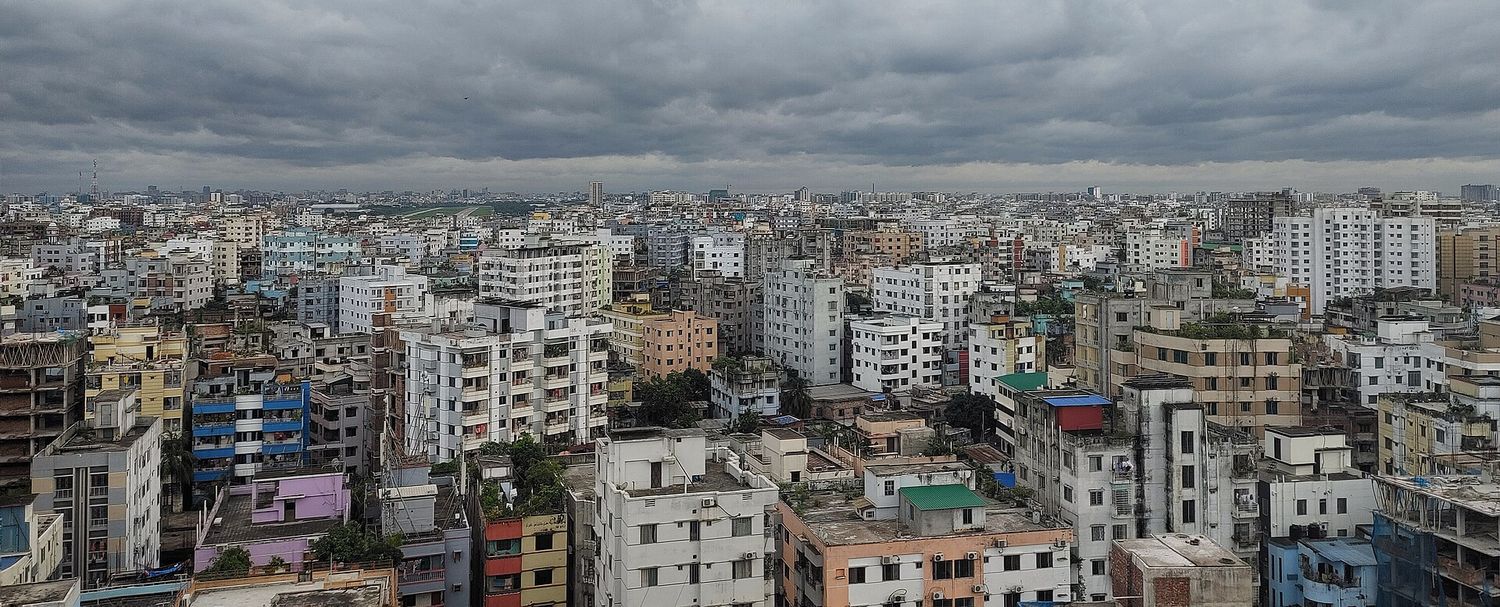
The Bangladeshi corridor is Gulf-built but shifting: the UAE tops the FY24 source table (inflated somewhat by Dubai-based aggregators, as Bangladesh Bank itself notes), with the US and UK rising fast — the white-collar diaspora's share growing inside a flow historically driven by wage earners.
For investing back home, Bangladesh runs a narrower but real set of rails: dedicated government bonds for wage earners abroad, non-resident accounts, and a property market that absorbs most diaspora capital informally. The formal options deserve more attention than they get.
Where Bangladeshis abroad can actually put money
The wage-earner bond family
Bangladesh has long offered government bonds specifically for non-resident wage earners — the Wage Earner Development Bond in taka, and US-dollar denominated bond options for NRBs. Rates, caps and eligibility get revised; check current terms directly with Bangladesh Bank or a state bank's NRB desk rather than any cached figure. The design intent is exactly this site's thesis: convert wages abroad into sovereign holdings at home.
NRB accounts
Non-resident Bangladeshis open foreign-currency and taka accounts through Bangladeshi banks' NRB services, the rails for funding bonds, deposits, and eventual property purchases — and the way to keep investment money legible and repatriable rather than flowing through informal channels.
The formal-channel premium
Bangladesh actively incentivises remitting through official channels (a long-running cash-incentive scheme adds a percentage to formal remittances). For an investor, formal channels are worth it regardless: money with a paper trail is money that can legally exit again.
Property — the default, and its fine print
Dhaka land and apartments absorb the bulk of diaspora investment, and the corridor shares Pakistan's core risk: purchases through relatives, unregistered arrangements, and developments that exist mostly on paper. Registered title, your own name, RAJUK/authority verification for developments, and a resistance to buying sight-unseen through family — the standard protections, non-negotiable at this distance.
Startups and angel investing
Bangladesh's startup ecosystem is early but real — logistics, fintech and health ventures have raised international capital. Organised diaspora angel infrastructure barely exists yet, which mirrors the opportunity: diaspora professionals in the US and UK are precisely the capital and door-opening this ecosystem lacks. Regional syndicates are the practical entry today.
For the mechanics — vehicles, tickets, syndicates, taxes at exit — start withdiaspora angel investing explained.
Informal money transfer (hundi) remains widespread in this corridor — and investment money that entered informally has no legal path back out. Whatever the fee difference, investment capital must travel formally. And the same guaranteed-return schemes that stalk every diaspora recruit in Bangladeshi communities abroad; the scam guide's tells apply unchanged.