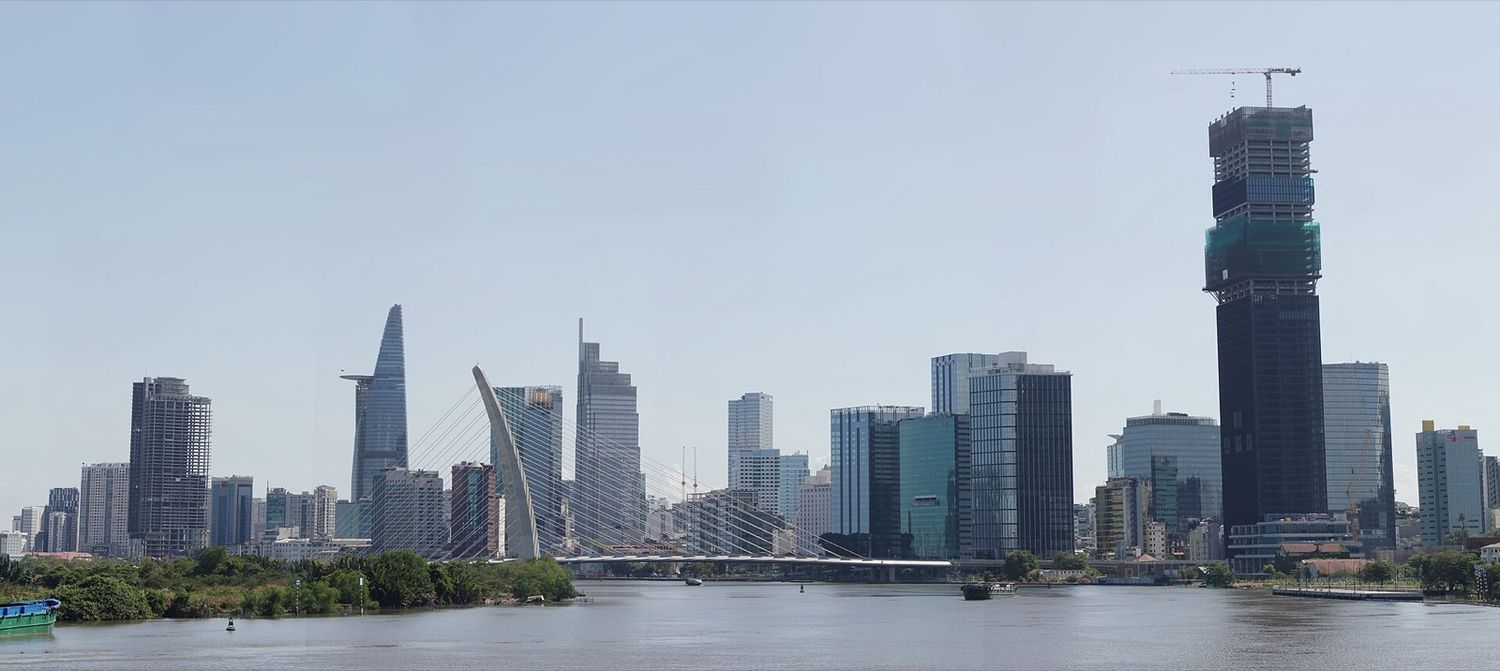
Vietnam's diaspora — shaped by history into large communities in the US, Australia, France and across Asia — has always invested at home; it just rarely did so in its own name. Property held by siblings, capital lent informally to family businesses: the workaround economy, with all its quiet losses.
The Land Law 2024 (effective 1 August 2024, five months early — a signal in itself) changes the baseline: overseas Vietnamese who retain citizenship now buy, transfer, mortgage and inherit land on equal terms with residents. The government framed the reform explicitly as a channel for turning the ~$16 billion annual flow into productive assets. The workaround era is officially over — for those who kept their papers.
Where Vietnamese abroad can actually put money
Property — now in your own name
The headline change: overseas Vietnamese with Vietnamese nationality hold land-use rights equivalent to residents — land plots and landed houses, not just apartments in commercial projects as before. Those without nationality get expanded but narrower rights. The practical implication: keeping or reclaiming Vietnamese citizenship documentation is now a direct investment decision.
Bank deposits in dong
Vietnamese banks open accounts for overseas citizens, and dong term deposits have paid solid nominal rates for years. The dong is managed tightly against the dollar; the risk conversation is about banking-sector health and repatriation paperwork more than daily volatility.
The family enterprise, formalised
Informal capital into family businesses is the corridor's oldest investment route. Vietnam's enterprise law accommodates formal shareholding; converting a decade of quiet support into registered equity is the same paper upgrade this site recommends everywhere — newly practical now that the legal environment welcomes diaspora ownership.
Property — the default, and its fine print
The 2024 reform makes property the corridor's headline: equal rights for citizen Việt kiều, expanded rights otherwise, and an explicit government invitation. The old risks did not vanish — project-developer quality varies, and the decades of name-borrowing left a legacy of tangled titles that still needs careful diligence on older property. New purchases, in your own name, with clean project title: that is the post-2024 playbook.
Startups and angel investing
Vietnam is Southeast Asia's manufacturing-boom startup story — strong in fintech, logistics and AI talent. Organised diaspora angel routes are thin relative to the diaspora's size and wealth, which is the gap: Việt kiều professionals in the US and Australia are exactly the bridge capital the ecosystem courts. Regional syndicates operate across the corridor today.
For the mechanics — vehicles, tickets, syndicates, taxes at exit — start withdiaspora angel investing explained.
The legacy of the workaround era: property historically held in relatives' names has no automatic path into yours — the new law governs new acquisitions, not old informal arrangements. Untangling those requires local legal help and family goodwill; start the conversation before values rise further. Note also the remittance figure itself is a government estimate (~$16B) — Vietnam publishes no precise national series.