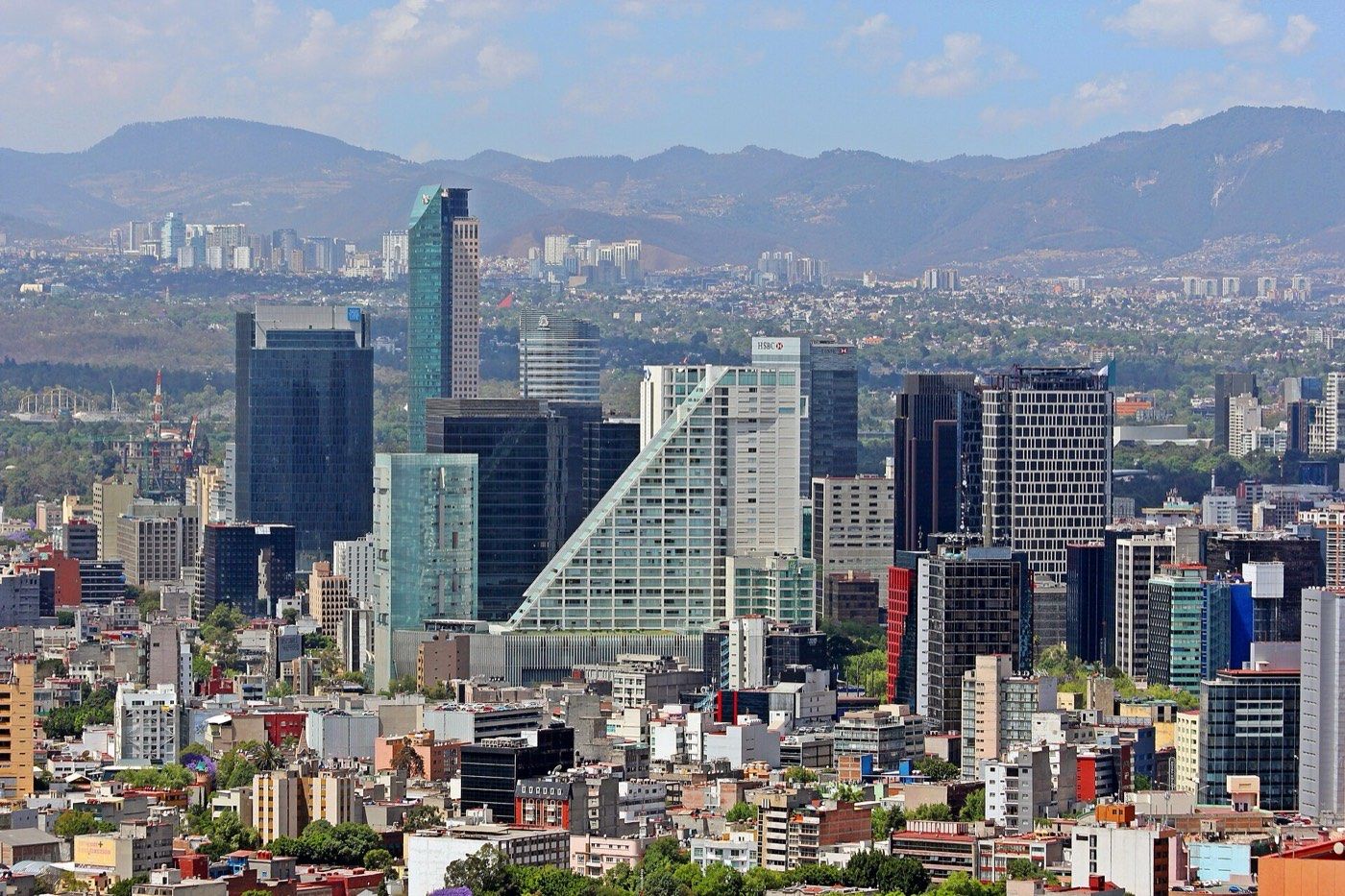
Search "how to invest in Mexico from the US" and you get two kinds of answers: condo developers selling Tulum, and pages that answer the opposite question — Mexicans in Mexico buying US stocks. The actual question of the paisana in Houston or Chicago — how do I put money to work in my own country, in pesos, in my own name — barely gets answered anywhere.
The good news: Mexico is one of the easier countries in the world to invest in from abroad, because the federal government built retail rails that work with a Mexican ID. Eleven straight years of remittance growth created political will to convert some of that flow into savings — and the infrastructure exists today.
Where Mexicans abroad can actually put money
Cetesdirecto — government bonds from your phone
Cetesdirecto is the federal government's retail platform (run through Nacional Financiera) for buying CETES — Mexican treasury bills — and other federal securities directly, with no broker and from very small amounts. For a first-time investor it is the reference asset: sovereign risk, peso yields, and the full loop of funding, holding and redeeming, learnable with pocket money. You need a Mexican CURP and bank account; many Mexicans abroad run it through their existing Mexican account.
Tarjeta FINABIEN Paisano — the remittance card with a savings vault
The state-owned Financiera para el Bienestar issues a card built for Mexicans in the US: remittances up to $400 a month at a flat $2.99 fee, plus a savings "vault" paying 10% annual interest with monthly capitalization, and an integration to move money into Cetesdirecto. By September 2025 the government reported 68,782 cards issued and $26.8 million in remittances sent through it. It is the clearest official bridge from sending to owning that exists in any corridor.
Bank and brokerage accounts
Mexican banks and brokerages (casas de bolsa) increasingly onboard clients remotely with a Mexican ID. Through them, Mexicans abroad reach listed equities on the BMV and BIVA exchanges, funds, and higher-yield term deposits. If you are a US tax resident, note the reporting rules — the account is legal, but it must be reported (FBAR), and Mexican funds can raise PFIC questions for US persons.
Property — the default, and its fine print
Property is the default diaspora asset in Mexico and needs the least explanation — but two traps recur. First, the "restricted zone": within 50km of the coast and 100km of borders, foreigners need a fideicomiso (bank trust) — though Mexican citizens abroad do not, which is an underrated advantage of keeping your nationality documents current. Second, informal arrangements: property bought in a relative's name is a gift with extra steps unless it is papered. Title, escritura, and a clear name on the deed — or it is not an investment.
Startups and angel investing
Mexico has one of Latin America's two largest startup ecosystems, and its founders raise on instruments a diaspora angel can actually sign from abroad — often SAFEs into Delaware entities with Mexican operating companies underneath. Organised angel groups and syndicates cover deal flow and diligence, which distance makes hard to do alone.
For the mechanics — vehicles, tickets, syndicates, taxes at exit — start withdiaspora angel investing explained and the country-specific mechanics guide.
The note on "3x1": the famous matching program (each migrant peso matched by three government pesos) is defunct — no funding since 2020 and removed from the budget in 2021. Pages still recommending it are out of date. Also treat any "inversión patrimonial" pitched in paisano WhatsApp groups with guaranteed monthly returns as a scam until proven otherwise.
¿Prefieres leerlo en español? Esta guía existe en español.