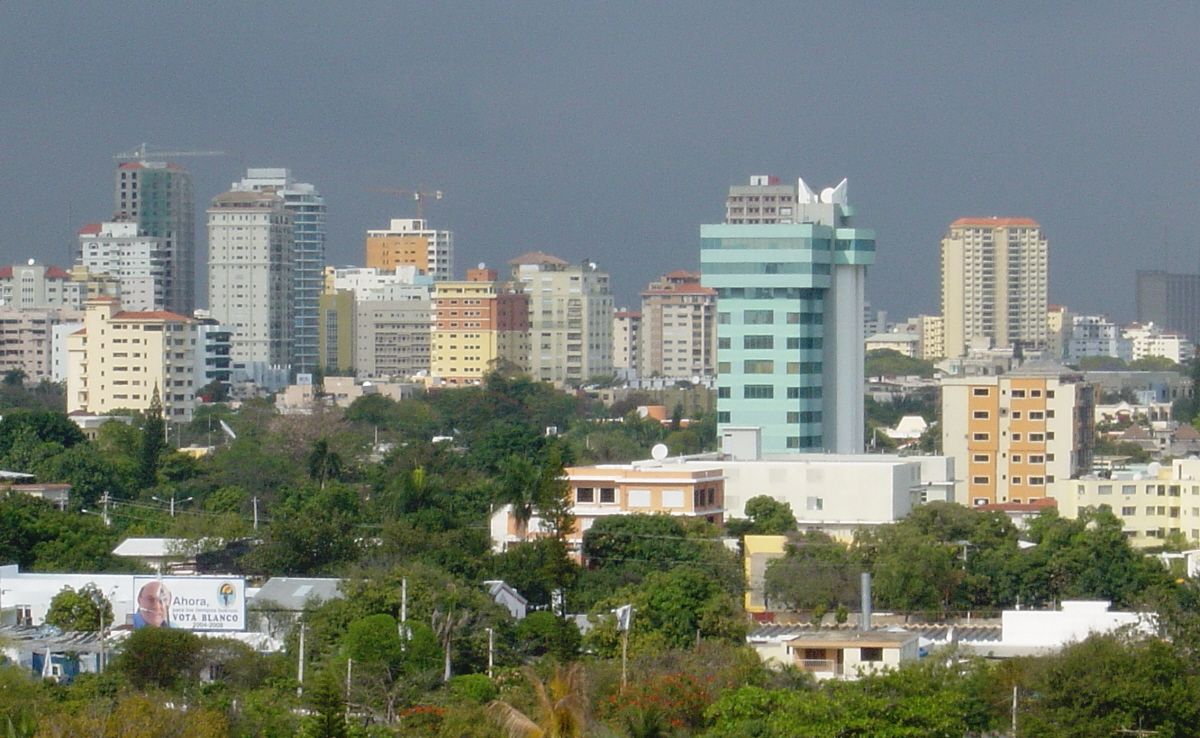
The Dominican corridor is dense and short: New York, New Jersey, Florida on one end, Santo Domingo and Santiago on the other, families straddling both. Roughly four in five remittance dollars come from the US, and the flow set another record in 2024.
What makes the DR different from its neighbours is the asset mix on the receiving end. Beyond the usual deposits and family property, the tourism economy — apartments in Punta Cana, small hotels, short-term rental units — gives the diaspora an asset class with dollar-linked income, in a market they visit every year anyway.
Where Dominicans abroad can actually put money
Peso and dollar deposits
Dominican banks open accounts for nationals with a cédula, including from abroad, and unusually for the region offer both peso and dollar-denominated deposits. Dollar accounts remove currency risk entirely for a US-based saver; peso term deposits pay more. The split between them is the corridor's cleanest risk dial.
Tourism property with numbers
Short-term rental units in tourism zones can produce genuine dollar income — but only when bought on numbers rather than brochures: real occupancy data, management fees, HOA costs, and the CONFOTUR tax-incentive status of the project verified rather than promised. Diaspora buyers get pitched hardest and diligence least; invert that.
The colmado and beyond
The corner-store economy runs on diaspora capital already. As everywhere on this site, the upgrade is paper: a formal participation in the family business, however small, converts years of support into a stake with a name on it.
Property — the default, and its fine print
Dominican property has no restrictions for nationals abroad and an active title system — use it. Deslinde (surveyed, individualised title) matters: property without it trades at a discount for a reason. In tourism zones, buy projects with CONFOTUR approval where possible (real tax advantages), and treat pre-construction from unknown developers as the high-risk end of the market, not the entry level.
Startups and angel investing
The Dominican startup scene is small but has produced real companies, and the government's ProDominicana actively courts diaspora investment. Realistically, organised angel routes are thin; regional Caribbean/Central-America syndicates and direct participation in formalised family enterprises are the practical paths today.
For the mechanics — vehicles, tickets, syndicates, taxes at exit — start withdiaspora angel investing explained.
Pre-construction tourism projects sold aggressively to diaspora buyers — renderings, guaranteed rental returns, unknown developers — are this corridor's signature risk. Guaranteed rental yield is the same red flag as guaranteed investment yield. Buy built, buy titled (deslinde), or buy from developers with a completed track record you verified.
¿Prefieres leerlo en español? Esta guía existe en español.