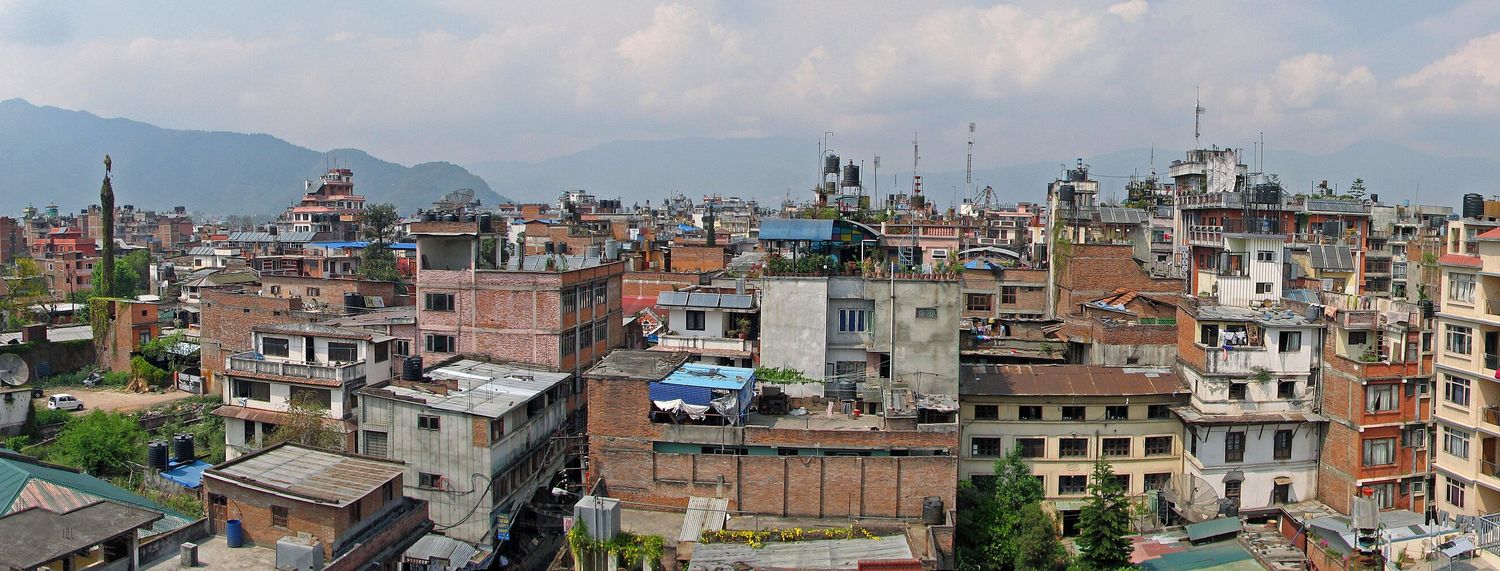
This is a wage-earner corridor and the numbers say so plainly: 505,957 Nepalis took first-time approval for foreign employment in a single year, and another 333,309 renewed. Gulf states and Malaysia still take 81.3% of new approvals, though the government's own migration report shows tens of thousands now going to Romania, Croatia and Poland instead — a different kind of job, and eventually a different kind of saver.
Nepal is unusual in having built the investment rail first and the audience second. The Foreign Employment Saving Bond was designed in 2010 for exactly the person reading this, and it has never found them. Almost everything below turns on one piece of paper: the NRN identity card.
Where Nepalis abroad can actually put money
The NRN identity card — the gate before everything
Rights under the Non-Resident Nepali Act 2064 attach to the card, not to your parentage. It is issued by the Ministry of Foreign Affairs or a Nepali mission abroad, and without it the Act's investment and property provisions are simply not available to you, however obviously Nepali you are. Getting the card is the first move, before choosing anything to put money into — it is also what banks and land registries will ask for.
The Foreign Employment Saving Bond, and its honest record
A government bond issued by Nepal Rastra Bank for Nepalis working abroad, opened to workers' families in 2011 and to NRNs in 2012. Minimum NPR 10,000, five-year term, interest paid twice a year, and it can be pledged as collateral at a bank. The coupon is set per issue, so check the current notice rather than any figure you read elsewhere. The record deserves saying out loud: the first issue in June 2010 offered NPR 1 billion and sold NPR 4 million; a 2023 issue offered NPR 500 million and sold NPR 22.4 million; average subscription that year was 5.22%. In July 2024 NRB published its own study into why. The instrument is real and the coupons have been well above what a bank pays — the problem has been that the people it was built for never hear about it.
Shares: IPOs yes, the secondary market not yet
NRNs already take part in IPOs, and SEBON set criteria in late 2024 for NRN joint investment companies (10–49% of shares to NRNs, a minimum 1,000 units, NRN-to-NRN trading and a one-year lock-up). Day-to-day trading on the exchange is a different question and the answer today is no: as of July 2026 SEBON is still drafting the legal provisions and procedures, under its capital-market policy for FY 2083/84. Where NRN investment is allowed the mechanics are an NRN demat account, an NRFC foreign-currency account at a Nepali bank, and a registered broker, with repatriation under NRB's foreign-exchange rules.
Property — the default, and its fine print
Land is where most of this money goes, and Nepal caps it. The general rule for a foreign citizen of Nepali origin is purchase for the purpose of residing, on application to the Ministry of Foreign Affairs, within area limits — around two ropani inside Kathmandu Valley, eight katthas in a Terai district municipality, four ropani in other district municipalities. The card comes first, the application second, the purchase third. These limits and the process are set out by Nepali law firms rather than in one plain-English statute page, so confirm the current numbers with a lawyer before committing money, and buy in your own registered name rather than a relative's.
Startups and angel investing
A diaspora angel cheque runs into a threshold before it runs into a founder. Nepal's Foreign Investment and Technology Transfer Act sets a minimum of NPR 20 million per foreign investor — raised to NPR 50 million in 2019 and cut back in 2022 — which prices out an ordinary first cheque. Two doors are open. A Ministry notice of 2 October 2023 removed the minimum entirely for thirteen IT-related industries, including software development, data centres, BPO and cloud services, which is where most of Nepal's investable startups sit anyway. And section 3(3) of the Act allows a different threshold to be set for NRNs; the figure is not published, so ask rather than assume. Cottage and small industries, real estate and retail are on the negative list and closed to foreign investment.
For the mechanics — vehicles, tickets, syndicates, taxes at exit — start withdiaspora angel investing explained.
The bond's subscription history is the useful warning here, and not about the bond. Nepal has built diaspora products that failed on distribution rather than on terms, which means the thing you are offered by a person is rarely the thing the state actually built — and the state's version is usually cheaper. Before any scheme promising a return on a Nepali asset, check whether a government instrument does the same job. And keep the money formal: capital that arrives outside the banking system has no legal route back out, whatever the exchange rate on offer.